
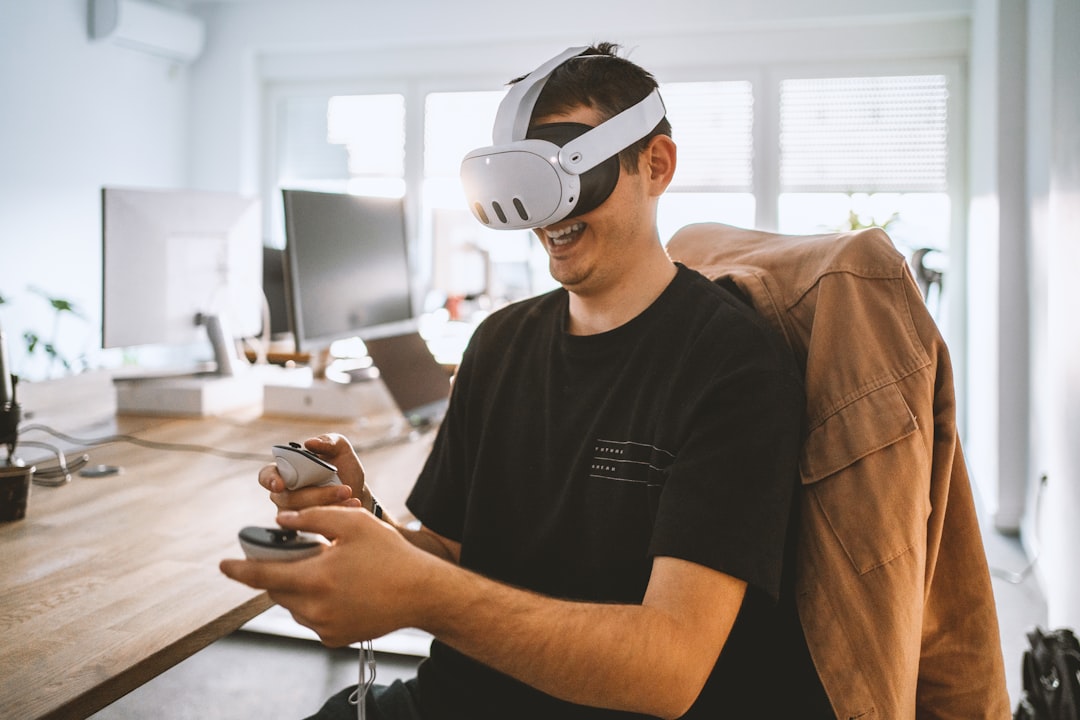
Virtual Reality: Transforming Entertainment and Business Experiences
Virtual reality (VR) is not just a buzzword; it is a transformative technology that is reshaping the landscape of entertainment and business experiences. As we delve into the world of VR, we uncover its potential to create immersive environments that engage users in ways previously thought impossible. This article explores how VR is revolutionizing industries, addressing user needs, and promoting sustainable practices in technology.
The value proposition of virtual reality lies in its ability to create a fully immersive experience. For entertainment, this means transporting users into fantastical worlds where they can interact with characters and environments in real-time. For businesses, VR offers innovative solutions for training, marketing, and customer engagement. Imagine a retail store where customers can try on clothes virtually or a training program that simulates real-life scenarios without the associated risks. These applications not only enhance user experience but also drive engagement and retention.
One of the primary motivations for adopting VR technology is the need for enhanced user experiences. In entertainment, VR allows users to escape reality and engage with content on a deeper level. For businesses, it addresses the challenge of effective training and onboarding. Traditional methods can be time-consuming and less engaging. VR training modules can simulate high-pressure situations, allowing employees to practice and learn in a safe environment. This not only improves retention rates but also boosts confidence and performance.
The benefits of VR extend beyond user engagement. In the realm of sustainability, many VR solutions are designed with eco-conscious decisions in mind. By reducing the need for physical materials and travel, VR can significantly lower a company’s carbon footprint. For instance, virtual meetings can replace travel for conferences, saving time and resources while minimizing environmental impact. Companies that prioritize sustainability in their technology choices often gain a competitive edge, as consumers increasingly prefer brands that demonstrate a commitment to ethical practices.
In addition to sustainability, trust and credibility are paramount in the adoption of new technologies. Certifications such as Energy Star can enhance buyer trust by ensuring that the products and services offered meet rigorous energy efficiency standards. When a company utilizes VR technology that is Energy Star certified, it signals to consumers that they are making responsible choices that benefit both the environment and their bottom line. This transparency fosters trust and encourages consumers to engage with brands that prioritize ethical sourcing and sustainability.
Use cases for VR are expanding rapidly. In the entertainment industry, VR gaming has taken center stage, providing players with experiences that are not only entertaining but also socially engaging. In business, companies are leveraging VR for virtual tours, product demonstrations, and immersive marketing campaigns. These practical outcomes demonstrate how VR can be integrated into various sectors, enhancing both user experience and operational efficiency.
As we look to the future, the potential of virtual reality is boundless. Its ability to transform entertainment and business experiences is just the beginning. By addressing user needs, promoting sustainability, and building trust through certifications, VR technology is poised to become an integral part of our daily lives. Companies that embrace this technology not only enhance their offerings but also contribute to a more sustainable and ethical future.
In conclusion, virtual reality is a powerful tool that can transform how we experience entertainment and conduct business. By focusing on user engagement, sustainability, and trust, VR is not just changing the game; it is setting new standards for what is possible in the digital age.